



How to Fix Plasmalogen Deficiency to Improve Cognitive Function
Plasmalogen deficiency is one of the most under-recognized contributors to cognitive decline, yet research now shows it is both measurable and correctable. Plasmalogens are a class of phospholipids that make up roughly 20% of brain tissue and play critical roles in neurotransmission, antioxidant defense, and membrane integrity. When levels drop, the effects compound across trillions of cells, impairing memory, processing speed, and overall brain performance. This guide walks you through understanding, testing, and restoring your plasmalogen levels using evidence-based strategies.
What Are Plasmalogens and Why Do They Matter?
Plasmalogens are a vital class of phospholipids that form a structural and functional component of cell membranes throughout the body. Their unique vinyl ether bond at the sn-1 position gives them powerful antioxidant and anti-inflammatory properties not found in ordinary phospholipids. They are especially concentrated in the brain, heart, lungs, and eyes.
Research published in the Journal of Lipid Research demonstrated that serum plasmalogen levels, particularly DHA-containing ethanolamine plasmalogens, correlate directly with the severity of cognitive impairment. In short, lower plasmalogens often means worse cognition.
Why Deficiency Accelerates with Age
Plasmalogen levels naturally decline after age 50. Because there is no viable dietary source of plasmalogens to fully restore deficiencies through food alone, age-related decline often goes unchecked for years. This gradual loss compounds across all 30 trillion cells, weakening neural signaling and leaving membranes vulnerable to oxidative damage.
Signs You May Have a Plasmalogen Deficiency
Plasmalogen deficiency does not always present with obvious symptoms, but several cognitive and physical markers can signal a problem. Common indicators include persistent brain fog, declining memory recall, slowed processing speed, reduced mobility, and chronic fatigue.
A 2022 study indexed on PubMed Central confirmed that reduced cognition and reduced mobility are comorbid and both are associated with plasmalogen deficiency. If you notice overlapping cognitive and physical decline, plasmalogen testing is worth pursuing.
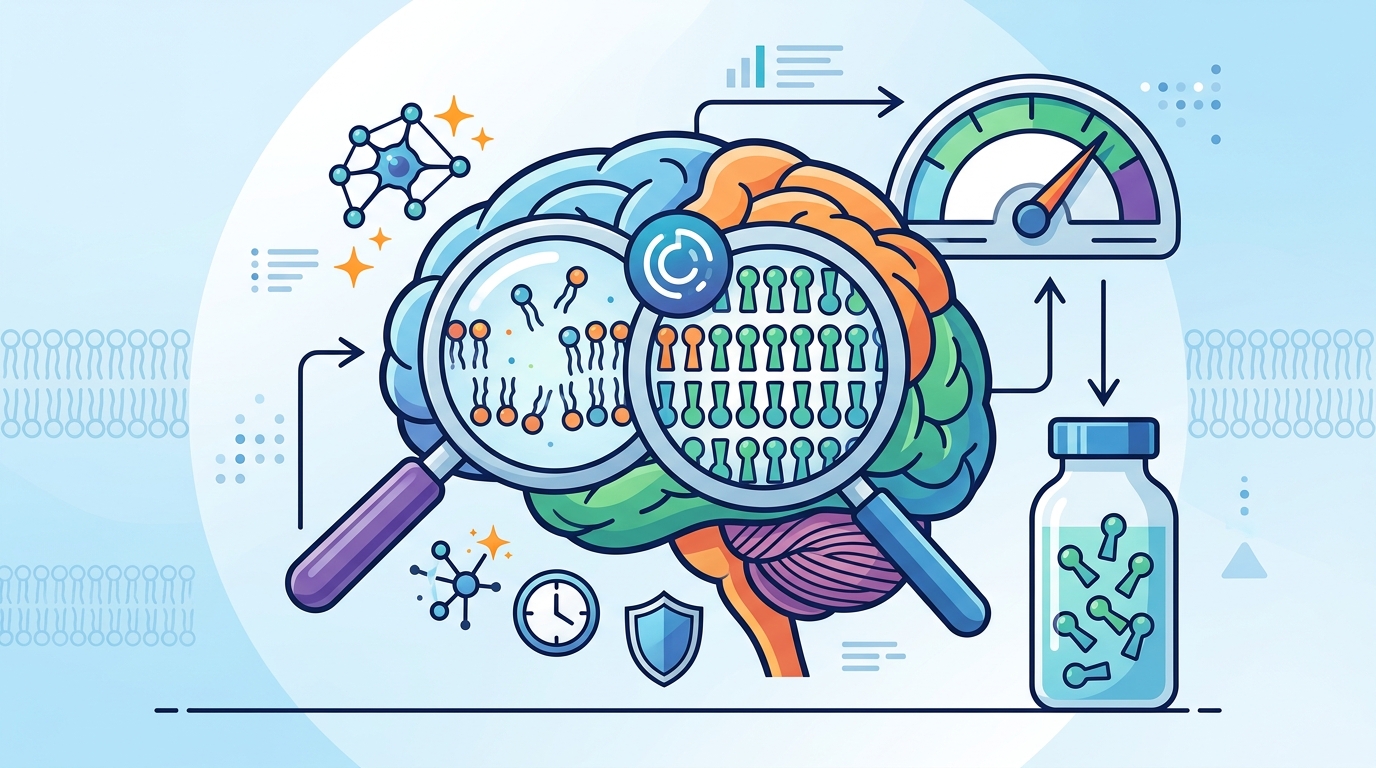
Step 1: Test Your Plasmalogen Levels
The first actionable step is to measure where you stand. ProdromeScan is a specialized blood test designed to identify biochemical deficiencies and imbalances, including plasmalogen levels. Developed by Dr. Dayan Goodenowe, ProdromeScan uses patented metabolomics technology to give you a precise baseline before you begin supplementation.
Knowing your numbers allows you to target supplementation accurately rather than guessing. It also lets you track progress over time with repeated testing.
Step 2: Begin Targeted Plasmalogen Supplementation
Because no natural food provides sufficient plasmalogen concentration to reverse a deficiency, supplementation with plasmalogen precursors is the most direct path to restoration. A plasmalogen precursor is a bioidentical compound engineered to be absorbed and converted into functional plasmalogens inside the body.
Dr. Goodenowe was the first to design, patent, and develop targeted plasmalogen precursors capable of restoring plasmalogens in all cells of the body. These precursors have been studied in both preclinical and clinical research and are now available as dietary supplements.
A clinical trial registered on ClinicalTrials.gov evaluated ProdromeNeuro supplementation among subjects with age-related cognitive decline, finding the approach safe and potentially efficacious in increasing neuroprotective plasmalogen levels.
Understanding Gray Matter vs. White Matter Support
The brain is composed of two main tissue types, and each requires a different plasmalogen species. Choosing the right supplement depends on which area you need to support most.
| Feature | ProdromeNeuro | ProdromeGlia |
|---|---|---|
| Target tissue | Gray matter | White matter (myelin) |
| Fatty acid type | Omega-3 (DHA) | Omega-9 (oleic acid) |
| Primary function | Synaptic signaling, neurotransmission | Myelin integrity, nerve insulation |
| Best for | Memory, cognitive clarity | Processing speed, coordination |
| Source | Plant-based triglycerides | Plant-based triglycerides |
| Formulation | Synthetically pure, vegan | Synthetically pure, vegan |
ProdromeNeuro is an omega-3 (DHA) plasmalogen precursor that targets gray matter, supporting neuron and neuromuscular synaptic function. ProdromeGlia is an omega-9 (oleic acid) plasmalogen precursor that targets white matter myelin. Both are manufactured in a cGMP facility in Temecula, CA. Many users benefit from combining both for comprehensive brain support.
Step 3: Optimize Lifestyle Factors
While targeted supplementation is the most direct intervention, several lifestyle strategies can help protect and support your plasmalogen levels alongside supplementation.
Exercise Regularly
Physical activity supports lipid metabolism and reduces systemic inflammation. Even moderate aerobic exercise three to five times per week can help maintain membrane health and reduce oxidative stress on plasmalogens.
Prioritize an Anti-Inflammatory Diet
A nutrient-rich diet featuring omega-3 fatty acids, leafy greens, and antioxidant-rich foods helps reduce the oxidative burden that degrades plasmalogens. Limiting processed foods and refined sugars is equally important.
Manage Chronic Inflammation
Research shows that plasmalogen deficiency and chronic inflammation are closely linked. Plasmalogen replacement therapy has shown promising results in reducing inflammation across multiple disease models. Managing stress, improving sleep quality, and addressing gut health can all help lower chronic inflammation.
Key Takeaways
- Plasmalogens are essential phospholipids that comprise about 20% of brain tissue and decline naturally after age 50.
- Plasmalogen deficiency is linked to Alzheimer's disease, dementia, cognitive decline, and reduced mobility.
- No viable dietary source can fully restore plasmalogen deficiencies; targeted supplementation with plasmalogen precursors is the most effective approach.
- ProdromeScan blood testing provides a precise baseline measurement of your plasmalogen levels before you begin supplementation.
- ProdromeNeuro targets gray matter (memory and cognition) while ProdromeGlia targets white matter (myelin and nerve signaling).
- Lifestyle factors like exercise, anti-inflammatory nutrition, and stress management support plasmalogen health alongside supplementation.
- All Prodrome plasmalogen precursors are synthetically pure, vegan, and manufactured in a cGMP facility in the USA.
Frequently Asked Questions
What is a plasmalogen deficiency?
A plasmalogen deficiency is a measurable reduction in plasmalogen lipid levels in the blood and tissues. It is associated with aging, cognitive decline, Alzheimer's disease, and other neurological conditions. Blood plasmalogen levels can be assessed with a ProdromeScan blood test.
Can you get plasmalogens from food?
There is no viable dietary source of plasmalogens in sufficient concentration to restore a deficiency. While small amounts exist in certain animal tissues, they are not bioavailable enough to meaningfully raise blood levels. Targeted plasmalogen precursor supplements are the most practical solution.
What is the difference between ProdromeNeuro and ProdromeGlia?
ProdromeNeuro is an omega-3 (DHA) plasmalogen precursor that supports gray matter and synaptic function. ProdromeGlia is an omega-9 (oleic acid) plasmalogen precursor that supports white matter and myelin integrity. Learn more on the Prodrome FAQ page.
How long does it take for plasmalogen supplements to work?
Individual responses vary depending on baseline deficiency levels, age, and overall health. Clinical research has evaluated outcomes over four-month supplementation periods. Regular ProdromeScan testing can help you track changes objectively over time.
Who should consider plasmalogen supplementation?
Anyone over 50 experiencing cognitive changes, individuals with a family history of Alzheimer's or dementia, and people with measured plasmalogen deficiencies are strong candidates. Younger individuals focused on long-term brain health may also benefit from proactive supplementation.
Are Prodrome supplements safe?
Prodrome plasmalogen precursors have been studied in preclinical and clinical research and are manufactured in a cGMP-certified facility. A clinical trial on ClinicalTrials.gov found ProdromeNeuro supplementation to be well tolerated. Always consult your healthcare provider before starting any new supplement.
How do I know which Prodrome product to start with?
Starting with a ProdromeScan blood test provides the data you need to make an informed choice. Based on your results, you may choose ProdromeNeuro, ProdromeGlia, or both. Browse all options in the Prodrome plasmalogen collection.
Take the First Step Toward Restoring Your Brain Health
Plasmalogen deficiency is measurable, and more importantly, it is correctable. Start by understanding your current levels with a ProdromeScan blood test, then explore the targeted plasmalogen supplements developed by Dr. Dayan Goodenowe to begin restoring what your brain needs most.